Coming out of the isolation of COVID, I was happy to join a writer’s group at my local senior centre. It was titled “Write Your Own Memoir.” I was in the midst of writing my latest book, a memoir/cookbook, “For the Love of Food: Family Edition,” and was eager to find other writers for camaraderie and feedback. As our weekly sessions continued, it became obvious that most people were writing their own autobiographies and that is, indeed, what our facilitator was guiding us through; a chronological retelling of our lives. She decided to change the name of the group to “Writing Your Life Story” which was really the focus of the group.
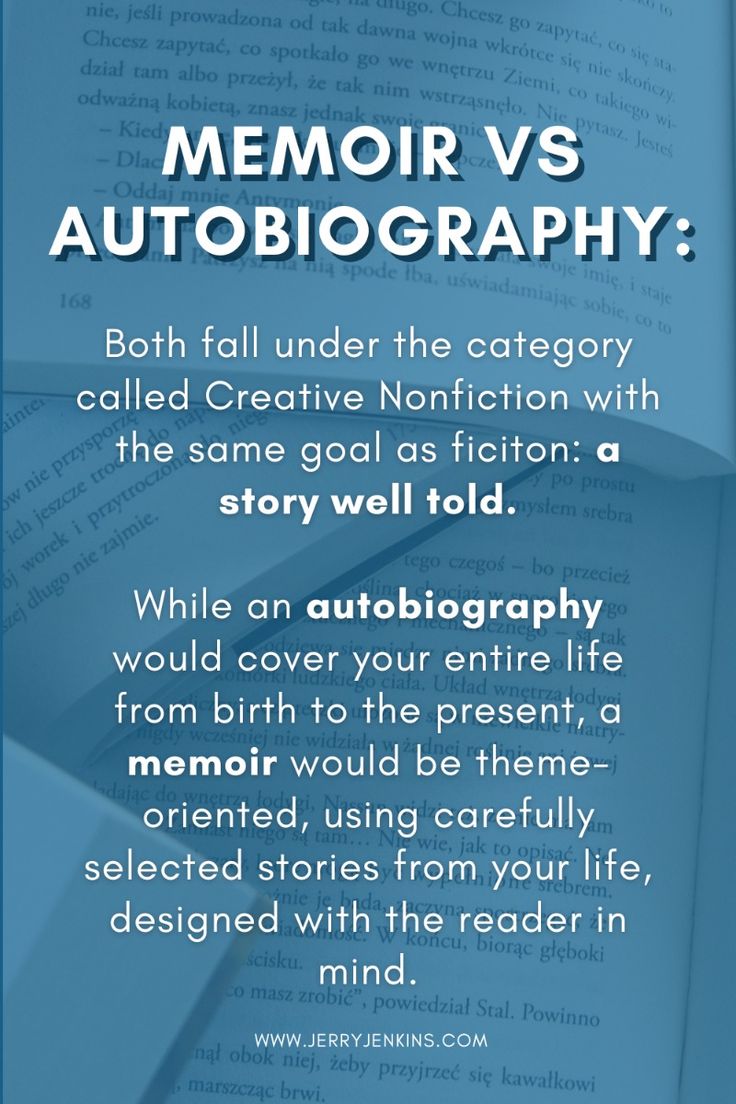
So, what is the difference between a memoir and a life story? Both are personal accounts of your life but with a different focus and style of writing. Before you begin either, you have to ask yourself why you are choosing to write this story and who you are writing it for. Do you want to write about your whole life or a specific time or event in your life?
A life story is a chronological re-telling of one’s life, the major milestones and moments that formed who you are. It usually starts with your birth and moves through your life in an orderly fashion, covering a wide range of topics and events and incidents as you move from childhood to adulthood. The purpose of an autobiography or life story may be to highlight and perhaps, evaluate your whole life, or it may teach others about time periods or lifestyles during a specific time in history. What was your childhood like? What was school like? What was your first car? Your first home? Your first job? Your travels? An autobiography can tell us what it was like to live during the war, or be a farmer in earlier years, or live through different cultural, historical, or technological growth. An autobiography will give us the facts in short engaging stories that give the reader an overall perspective on the storyteller’s life as a whole, from early years to later years.
A memoir focuses on a specific event or time period in the writer’s life. It has a theme or specific experience that is explored in depth, often with deeply personal and emotional sentiments. A memoir has a more universal tone. It illuminates the reader’s life and makes us question or think about our own lives. It will be more reflective rather than factual, more creative and contemplative. The writer of a memoir isn’t just retelling the facts of a story; the writer is sharing his/her feelings and the emotional repercussions of living through the story. It is limited in its scope in that a memoir will focus clearly on a specific theme, but it is deeper than an autobiography in that we are engaged emotionally with the writer as the story unfolds with depth and description. The reader will not know all the facts of a writer’s life but will know specific facts with more insight and intensity. We will feel what it is like to live life as a gardener, a teacher, a black man or woman, a scientist, a dying patient, or a grieving widow. All our senses, our thoughts, our feelings will be fully engaged in a good memoir.
If you are solely into documentation of your life with orderly facts and details through specific time periods, you may feel satisfied writing your life story. The story could be told solely for yourself as you assess and evaluate your life. What have I accomplished? What were the highlights of my life? Have I lived a life well-lived? The story may be written for your family and friends. As you approach the later years of your life, you may want to leave behind a written legacy of your life for interest, for historical significance, for ancestral knowledge, for a record of memories for your loved ones left behind.
If you want to delve into a specific time period or issue of your own life, you may want to write a memoir to bring clarity, depth of understanding, and creativity for not only yourself but other readers who may be entertained and challenged to rethink their own lives. When a story is told for a greater audience, the writer must consider an unknown reader at all points in the story to offer clarity and understanding. Literary considerations such as setting, plot, grammar, and spelling need to be considered. Most importantly, the writer needs to ask, “What is the life lesson my memoir is offering?”
Both the writing of a life story and a memoir involve long periods of contemplation and time. Again, it is up to you as the writer to decide why you want to write about your life and who you want to write your story for. It will take an enormous effort, but, in the end, it will be well worth it. Happy writing!