Life Story vs. Memoir

Coming out of the isolation of COVID, I was happy to join a writer’s group at my local senior centre. It was titled “Write Your Own Memoir.” I was in the midst of writing my latest book, a memoir/cookbook, “For the Love of Food: Family Edition,” and was eager to find other writers for camaraderie and feedback. As our weekly sessions continued, it became obvious that most people were writing their own autobiographies and that is, indeed, what our facilitator was guiding us through; a chronological retelling of our lives. She decided to change the name of the group to “Writing Your Life Story” which was really the focus of the group.

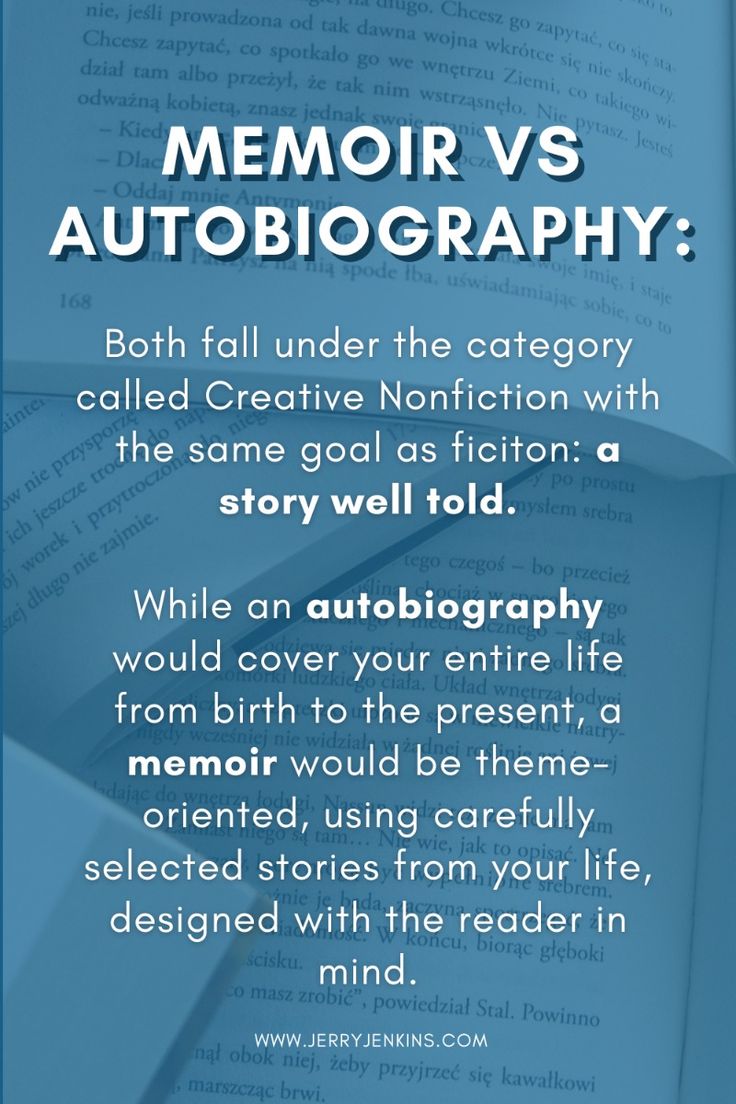
So, what is the difference between a memoir and a life story? Both are personal accounts of your life but with a different focus and style of writing. Before you begin either, you have to ask yourself why you are choosing to write this story and who you are writing it for. Do you want to write about your whole life or a specific time or event in your life?

A life story is a chronological re-telling of one’s life, the major milestones and moments that formed who you are. It usually starts with your birth and moves through your life in an orderly fashion, covering a wide range of topics and events and incidents as you move from childhood to adulthood. The purpose of an autobiography or life story may be to highlight and perhaps, evaluate your whole life, or it may teach others about time periods or lifestyles during a specific time in history. What was your childhood like? What was school like? What was your first car? Your first home? Your first job? Your travels? An autobiography can tell us what it was like to live during the war, or be a farmer in earlier years, or live through different cultural, historical, or technological growth. An autobiography will give us the facts in short engaging stories that give the reader an overall perspective on the storyteller’s life as a whole, from early years to later years.

A memoir focuses on a specific event or time period in the writer’s life. It has a theme or specific experience that is explored in depth, often with deeply personal and emotional sentiments. A memoir has a more universal tone. It illuminates the reader’s life and makes us question or think about our own lives. It will be more reflective rather than factual, more creative and contemplative. The writer of a memoir isn’t just retelling the facts of a story; the writer is sharing his/her feelings and the emotional repercussions of living through the story. It is limited in its scope in that a memoir will focus clearly on a specific theme, but it is deeper than an autobiography in that we are engaged emotionally with the writer as the story unfolds with depth and description. The reader will not know all the facts of a writer’s life but will know specific facts with more insight and intensity. We will feel what it is like to live life as a gardener, a teacher, a black man or woman, a scientist, a dying patient, or a grieving widow. All our senses, our thoughts, our feelings will be fully engaged in a good memoir.

If you are solely into documentation of your life with orderly facts and details through specific time periods, you may feel satisfied writing your life story. The story could be told solely for yourself as you assess and evaluate your life. What have I accomplished? What were the highlights of my life? Have I lived a life well-lived? The story may be written for your family and friends. As you approach the later years of your life, you may want to leave behind a written legacy of your life for interest, for historical significance, for ancestral knowledge, for a record of memories for your loved ones left behind.

If you want to delve into a specific time period or issue of your own life, you may want to write a memoir to bring clarity, depth of understanding, and creativity for not only yourself but other readers who may be entertained and challenged to rethink their own lives. When a story is told for a greater audience, the writer must consider an unknown reader at all points in the story to offer clarity and understanding. Literary considerations such as setting, plot, grammar, and spelling need to be considered. Most importantly, the writer needs to ask, “What is the life lesson my memoir is offering?”

Both the writing of a life story and a memoir involve long periods of contemplation and time. Again, it is up to you as the writer to decide why you want to write about your life and who you want to write your story for. It will take an enormous effort, but, in the end, it will be well worth it. Happy writing!
Thank You Writing Your Life Story Writers

Back in September 2022, I joined a local Memoir Writers’ Group (later changed to Writing Your Life Story) at the Evergreen Seniors Community Centre and, for the next 3½ years, I met weekly with a small number of like-minded seniors. Jennifer Blackie, our group leader and facilitator, wrote her life story during the COVID-19 isolation and felt that perhaps others would like to record their life journeys too. She felt led to offer her experience and guide that first group of twelve writers through the process. The initial focus was to record our life story as an autobiography written in chronological order.

We all had a desire to record our stories. I think the reasons for writing our life stories may have differed. Some wanted to write to leave memories for their family. Some wrote truly for themselves as an assessment of their own lives. We all want to know our lives matter. We want to know we left a mark. We value our memories as our legacy and want a record of them left behind. Perhaps our families are not the least bit interested in reading them at this time but, one never knows, there may come a day when they are glad to have the stories and the information and memories they contain. I know my own daughters didn’t value their old journals from school but as they aged and had children of their own, now they do. Some had bigger dreams and hoped that their stories would be of value and interest to a general public. Perhaps they may even be published someday.


I joined the group because I had a memoir-in-progress titled For the Love of Food: Family Edition. It was to be a memoir/cookbook that traced food as a language of love throughout five generations of my family from my grandparents, my parents, myself, my children, to my grandchildren and was to include food-related poems, stories, and recipes from my family history. I had been researching and writing alone for 1½ years and I wanted the company of other writers for encouragement and companionship.
 

In addition, in October 2022, I began a 12-week online course called Memoir Writers, Ink led by teacher Alison Wearing. I wanted to improve my writing and had a lot to learn. Both the weekly WYLS meeting and the online course activities were fun and informative and added to my writing skills. Both gave me a kick-in-the-butt to stick to a regular writing regime.


I love story! We all have them. We all think, “I have nothing of interest to others” but, in the end, we do. Sharing our simple memorable moments is a wonderful way to share our lives and identify with each other or learn new things. Even if we all visit Paris, we each will have a unique story to tell about it from our own perspective. There is value in that.

Week by week, we shared our stories and learned more and more about each other. Sharing our stories began to bond us together in trust and community. We realized we all have happy stories and we all have sad stories and there has been much laughter and some tears over the months and years. The members of the group have become good friends, almost like family. We have become very close and truly care about each other. This is not usual in a writer’s group. Over the years, I have been a member of several writer’s groups and I have never enjoyed any of them as much as I have this wonderful group of people.  

I am grateful for the experience of knowing you all. I have never known such a group of fun-loving and heartfelt people. Thank you to all of you for your openness and respect. Thank you for sharing your lives and allowing me to get to know you so well.

Jennifer, thank you for creating this group, for working so hard to keep us all on track, for offering your encouragement and ideas, and for the extensive work on the anthologies which took hours of time and stacks of paper. Thank you for your generosity in sharing your home with us for some truly epic parties. I’ll never forget our Summer Beach Party complete with fresh mocktails, colourful leis, a patio barbecue, and outdoor games.  What fun we had at our Christmas Party sharing gifts and talents after an amazing meal. And who can forget our Afternoon Tea Party, with scones and clotted cream, china tea pots, and fancy hats and fasteners.


I will miss you all but acknowledge that the time has come to move on to new projects. My book was published in December 2024 and I thank Jennifer and that early group of writers that gave me a platform to share my work and get feedback and encouragement. It was because of your friendship that I stayed on and kept writing for another 1½ years and made more new friends.  I now have so many stories, enough to fill even more books. My Life Story isn’t over yet!

I Read, I Write, I Learn, I Think (A Typical Day)

Now that I’m retired. Now that I live alone. Now that my time is my own. Now that I am almost 74 years old, my daily life has a regular slow pattern.

I wake up and begin my morning routine. I visit the washroom. I make my bed. I make a pot of coffee. I go to the computer and begin.

I read, I write, I learn, I think.

I read. I read it all. The good, the bad, the ugly. Although I can only take so much of the bad as it overwhelms me. Then I seek the good, flood my eyes and mind with wholesome, inspiring, beautiful messages to drown out the darkness. I read the news, I read human interest stories, nature stories, travel tales. I read poetry and prose and short stories, and read about fashion, writing, psychology, art, music, dance. I read about gardening and cooking, birds and children. When I’m done with the computer and the Internet messages, I curl up with my latest book in hand and disappear into another world of words.

I write. I write to friends, emails and Facebook entries. It’s important to stay connected and communicating. I let friends and family know they are important to me. I write ideas in my journal so I won’t forget them. Although I rarely reread them. Sometimes I am deeply inspired and I will create my own words, my own thoughts, like a waterfall pouring out on paper or on my computer screen. When that happens, I will work relentlessly, holding off on coffee or breakfast so that the Muse isn’t interrupted. I can tell when it’s finished its monologue and I can finally listen to my growling stomach or finally wet my dry mouth.  Sometimes I have a goal, I am a very goal-oriented person, and I will work relentlessly on my project, until the idea is complete and on the page. Don’t interrupt me with a phone call when the writing is flowing.

I learn. I am aware that I learn best by listening or reading and then transferring my thoughts to paper through my own keyboard or pen.  As if the repetition of the moving words imprint more deeply upon my brain cells, fire along the neuron pathways and embed their message into my body and soul, where they will last. Words are important to me but so are visuals. Beautiful photos. Art work. Colour, details, creative expressions, speak as powerfully as words to me. That’s why I love photography, my own as well as others. Photos are a way of stopping, examining, listening, seeing the world close-up and suspended in time. Some capture beauty. Some tell a story. Some pare the world down to its most important details. Some make me laugh. Some bring tears to my eyes. The best say Stop and look with me. Linger a while. Do you see it too?

I think. I fill myself up with ideas and information and then sit quietly and contemplate their meaning and place in my life. I dream, make connections, wander through memories, and make new links of knowledge in my brain.

Every day, I talk. One of my three daughters often calls me, Maegan on her long drive to her next client, Brittany during her solo walk to work along Toronto streets. Lara less often, but when she finds a quiet moment at home or in her car. Sometimes I will hear from Maegan more than once a day. I think I help her long drives to go a little faster. Harold phones me every night at 9:30 p.m. and we usually talk for at least ½ hour.

I socialize. Visits with my best friend Sandy, monthly lunches with my retired RR Alumni teacher friends, my Writing Your Life Story group, my Photo Club. I see Harold for three days of the week, either at his home in Orangeville, or mine in Guelph. I visit with my daughters and families whenever I can, at least once a month. That isn’t always easy as Brittany lives in Toronto, Maegan north of Barrie, and Lara in Orangeville. We always celebrate holidays with family, both mine and Harold’s.

During afternoons, I will continue with a new book or a new writing project if I have one on the go.Otherwise, I will do household chores, both inside or out. I grab my camera and take some photos. I go shopping. I plan meals. I love to cook, trying out new recipes or creating my own by checking “What’s in the Fridge or Pantry.”

Evening hours are spent in front of the TV which is purposely put in my rec’ room in the basement. I usually only watch evening programs; the news, game shows, American Idol, America’s Got Talent, The Voice, Dancing With the Stars, documentaries or movies. Oh, and Grey’s Anatomy. Can’t miss that. I love a good variety of movies, both old and new, comedies and romance, science fiction and action films.

By 11 p.m. I’m usually ready for bed.

I love being retired. I love having me time to do whatever I wish. I love having solitary, quiet time at home. To break my daily routine, I do enjoy gardening, camping, fishing, canoeing, volunteering at the annual Hillside Music Festival, road trips, and international travel.

Life is good.

On Rejection as a Writer

I recently received Alison Wearing’s Memoir Writing, Ink newsletter and she had this to say about rejection as a writer —

“Every year, I try to remind people that Every Writer Faces Rejection. Every. Single. Freaking. One. It’s not an anomaly, it’s not a measure of talent (or character), it’s part of the process that writers everywhere endure. So, rather than taking rejection as evidence that you are not a writer, it’s also possible to take it as evidence that you are.”

~Alison Wearing, Memoir Writing, Ink

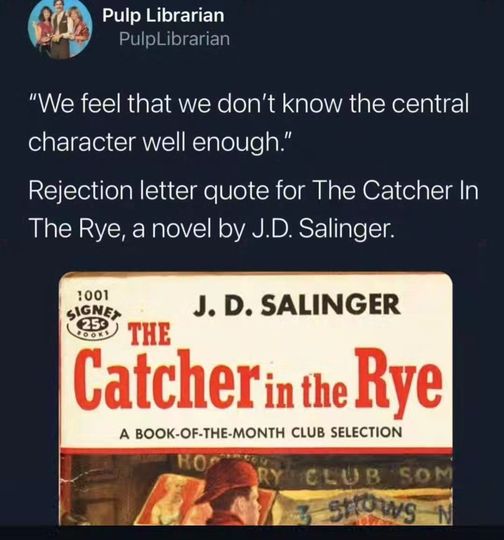
“Louisa May Alcott was told to “Stick to your teaching.” Ayn Rand’s ‘Atlas Shrugged’ was deemed “unsalable and unpublishable.” One publisher found Ernest Hemingway’s ‘The Sun Also Rises’ “to be both tedious and offensive.”

By Mental Floss UK |Dec 1, 2023″

The list goes on. Kenneth Grahame, The Wind in the Willows; George Orwell, Animal Farm; H. G. Wells, The War of the Worlds; Joseph Heller, Catch-22; Kurt Vonnegut, Slaughterhouse-Five, all received rejection letters when they first submitted their works.

Add authors Ursala K. Le Guin, Jack Kerouac, Stephen King, F. Scott Fitzgerald, Louisa May Alcott, John le Carré, Gertrude Stein and D. H. Lawrence to the list and I think you may be getting the picture.

Rejection is simply a part of life as a writer. You can’t please everybody. A thick skin helps but, whatever you do, don’t give up. In this day and age, there is always self-publication. Many authors who decided to self-publish after rejection by traditional publishers have gone on to be successful. Wildly successful. These include Margaret Atwood, Lisa Genova, EL James, E. E. Cummings, and Mark Twain. There are also many media sites out there to highlight your work and begin creating your own readers. Facebook, Instagram, YouTube, and blog sites are all public platforms to showcase your work. Literary magazines and newsletters are always looking for new material.

Whatever you do as a writer, DON’T GIVE UP. Keep writing, keep creating, keep dreaming.

Thank you, Samantha

Yesterday I spent several hours trying to work out my printer problems. I finally gave up and called the company HP Smart for technical support. The technician who I was hooked up with was called Samantha. Now, normally these calls can be hours long (which it was) and can be full of frustration and annoyance (which it wasn’t).

Because a variety of attempts to clear up my problem were needed, we both acknowledged that this was going to take a long time and some of the downloading processes were going to be very slow. We both settled in for the long haul.

For the next two or three hours, Samantha and I worked together to try and solve my problems. Meanwhile, we got to know each other as two human people with much in common. Even though we were separated by half a world (she was in India, I was in Canada), she seemed much younger than me (that’s an assumption), and we were two complete strangers, we connected.

She initiated the conversation and we quickly found out that we both had a love of writing, I a published author/a memoirist and she a daily journal writer and poet. We shared our losses in life of those close to us, including our beloved pets. We told stories about our loved ones. We shared our favourite poets and some of their work. We both love Mary Oliver. We laughed and cried and found common ground in our zest for life.

Slowly she helped me work out my printer problem and slowly we go to know each other as new friends. We both acknowledged that wouldn’t it be wonderful if we should meet some day face-to-face. When all was finally cleared and my printer was working again, it was time to say goodbye. “I’m having trouble saying goodbye,” she said. “Me, too,” I said. “Thank you for all you did for me and shared with me. You were wonderful.”

Will I ever talk with Samantha again? That would be unlikely for you know that when you call these companies, you are given a random agent, whoever is free at the time. But I am thankful for the time spent with Samantha. We had a very special connection.

Reach out to others. Despite distance and age and circumstances, we are all human. Thank you, Samantha. I enjoyed getting to know you. You made my day very special. In honour of you let me share your favourite Mary Oliver poem with others as you shared with me.

“When Death Comes.”

When death comes
like the hungry bear in autumn;
when death comes and takes all the bright coins from his purse

to buy me, and snaps the purse shut;
when death comes
like the measle-pox;

when death comes
like an iceberg between the shoulder blades,

I want to step through the door full of curiosity, wondering:
what is it going to be like, that cottage of darkness?

And therefore I look upon everything
as a brotherhood and a sisterhood,
and I look upon time as no more than an idea,
and I consider eternity as another possibility,

and I think of each life as a flower, as common
as a field daisy, and as singular,

and each name a comfortable music in the mouth,
tending, as all music does, toward silence,

and each body a lion of courage, and something
precious to the earth.

When it’s over, I want to say: all my life
I was a bride married to amazement.
I was the bridegroom, taking the world into my arms.

When it’s over, I don’t want to wonder
if I have made of my life something particular, and real.
I don’t want to find myself sighing and frightened,
or full of argument.

I don’t want to end up simply having visited this world.

—Mary Oliver

1 Teaspoon of Paprika

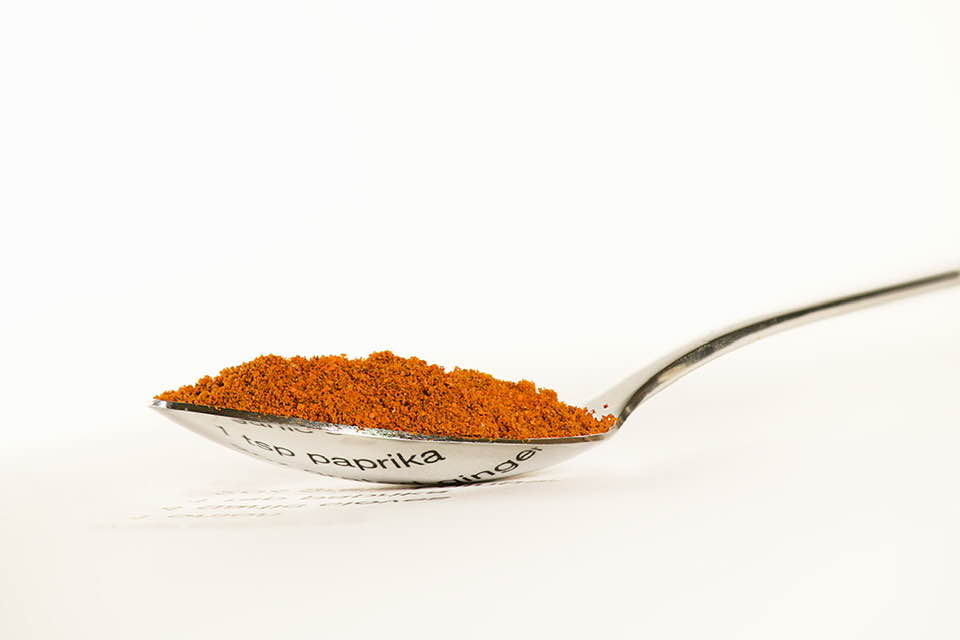
The Internet is a wonderful place for synchronistic connections. I was working on my next chapter “Pass It On” which focuses on recipes passed down from my Hungarian Grandma Haydu. Many of them include Hungarian Paprika with its unique taste. It is different from other paprikas and Hungarians can tell the difference. Well, lo and behold, I came across this beautiful photograph on another Facebook site I belong to and thought “How perfect!”

The photographer Phillip Dove lives in Saltburn-by-the-Sea, United Kingdom, and graciously allowed me to use his photograph in my upcoming book “For the Love of Food: Family Edition.” All he asked for in return was a copy of my grandma’s Hungarian Goulash which I gladly sent to him. Thank you, Phillip. Check out his website at phillipdovephotography.com

Pass It On

I am now working on my next chapter of my upcoming book “For the Love of Food: Family Edition.” The chapter is called “Pass It On” and I write about our connections to our descendants.

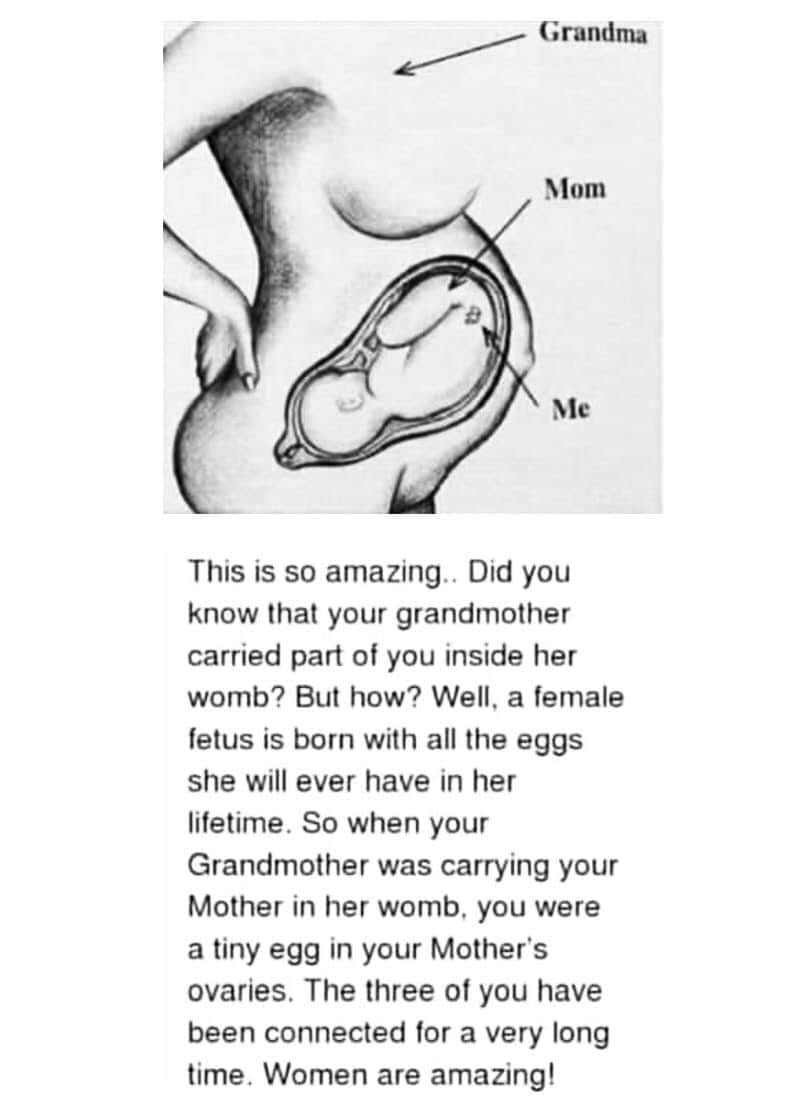
“Look back. Our descendants made us who we are today. We fit together like nesting dolls going back and back in circles of time. Because of my mother, I exist. Because of her mother, she exists.

Our bodies are living continuations of our parents, our grandparents, and all those that came before them, generation upon generation. Our ancestors are literally a living part of us. We carry their diets, their lifestyles, their hopes, their traumas, within our very cells. My hands become our hands. My spirit becomes their spirit.

When I smell the spicy scent of paprika, I am sent down the paths of the past to Hungarian kitchens, to cuisine birthed in European soils. When a cloud of flour rises off grandma’s wooden noodle board, I envision golden stalks of wheat and oats flowing across miles and miles of Canadian prairie fields waving in the distance. The soft touch of a feathery dill that tickles my nose when I bend to take in its powerful scent, sends me back through the past to steaming kitchens as cooks fill crocks and bottles with nature’s bounty. When I shake the dirt off a carrot yanked fresh out of the garden, I am doing what my ancestors did as they worked their fields with sun on their backs, mud on their feet and fullness in their hearts.”
~Barbara Heagy from “For the Love of Food: Family Edition”

Google Yourself – Be Surprised

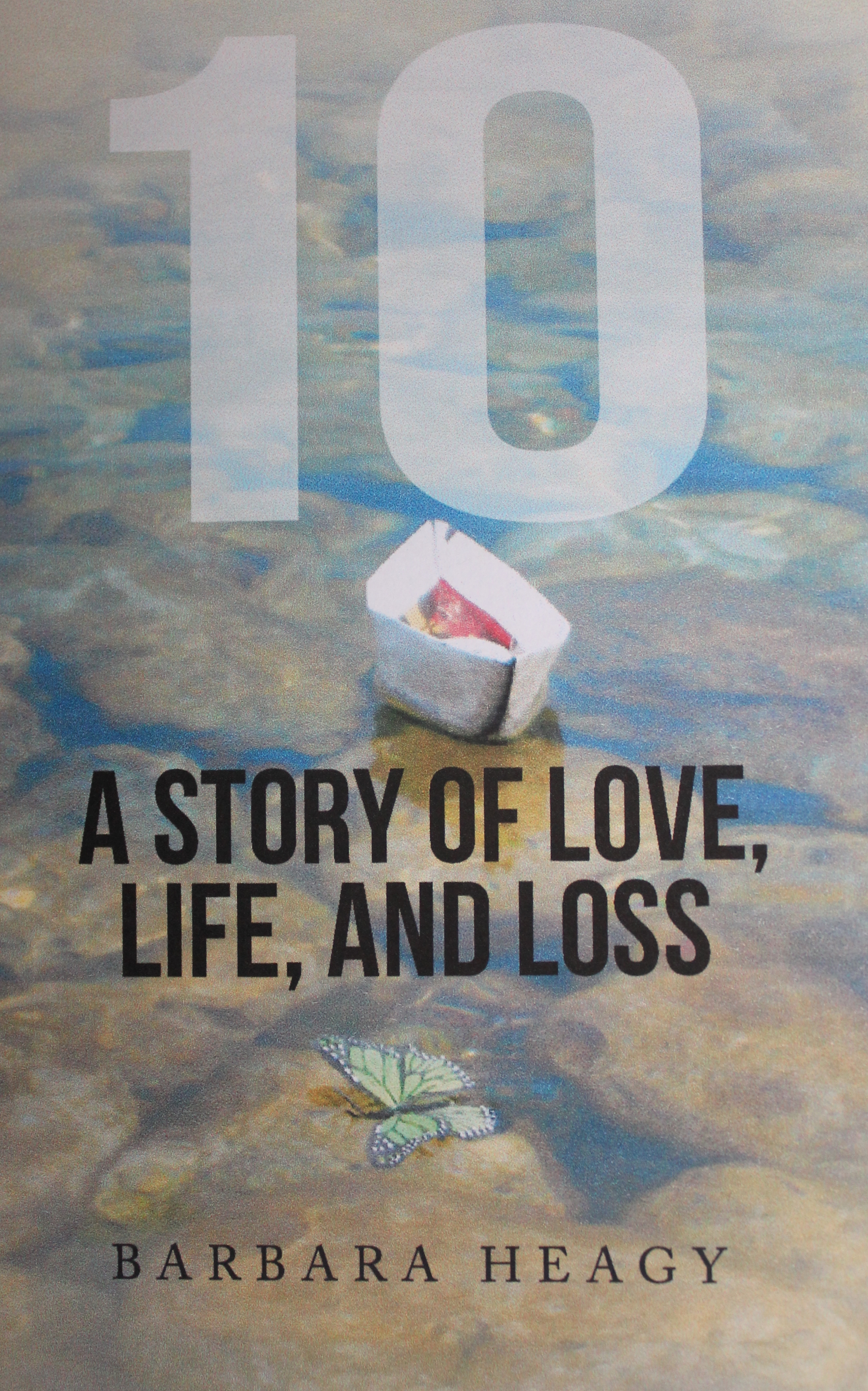
Every once in a while, it pays to check yourself out on Google, especially if you are an author/writer. In 2015, I published my book “10 – A Story of Life, Loss, and Life” through Balboa Press, the self-publishing branch of Hay House Publishing. This week I checked my book out online and found that it was offered on many sites throughout the world.

You can order my book through Google Books, Chapters Indigo, Barnes & Noble, and Amazon where it has a 4.6/5 rating. It’s available in Kindle, paperback, or hard cover versions. What surprised me the most was you can also order it through online companies around the world: Waterstones (England/Wales), Thrift Books (USA), Booktopia (Australia), adlibris.com (Sweden), libreriauniversitaria.it (an Italian company based in El Salvador), Rakuten Kobo (USA) and the French Friac.

That’s heartening to know that my book is still out there and available to so many people. It’s not making me rich but that wasn’t the reason I published it. This was a book to honour Tom, my deceased husband, and to offer hope and comfort to others who may be going through a great loss themselves.

Of course, you can always come out to Wellington County Museum & Archives this Saturday, June 10, 11 – 4, and buy a signed copy in person from me. Hope to see you there. https://www.wellington.ca/…/wellington-county-writers

Writing Your Life Story

Back in September 2022, I joined a local Memoir Writers’ Club that meets weekly. The focus is on writing our life stories as an autobiography, written in chronological order.  Jennifer, our group leader, wrote her own memoir during COVID isolation and felt that perhaps others would like to record their life story. She felt led to offer her experience and guide other seniors through the process.

I joined the club because I had a memoir-in-progress titled “For the Love of Food – Family Edition” and wanted the company of other writers for feedback and encouragement. I have been working on my memoir/cookbook for about a year now and am now about ½ way through it. It is unusual, not your standard memoir, but I feel led to write it in this form and am enjoying it immensely.  I truly see food as a love language and I can see how food has shaped my life through five generations of my family. I am aiming to publish it for a public market. I am continuing with my book, in my own way, but I do enjoy our class and don’t mind writing on the topics suggested by Jennifer. My book has and will be taking a totally different form than what she has suggested to other club members but I have still found our class to be of value to me. The stories bring back many memories and are good writing practice.

I think our class is very special. There is definitely a desire for all of us to record our stories. I think the reasons for writing our life stories may differ and, perhaps, some may not even know why they want to write, and yet the need and desire is there. Some write because their family has requested it. Some may write truly for themselves as an assessment of their own lives. We all want to know our lives matter. We want to know we left a mark. We value our memories and want a record of them left behind. Perhaps our families are not the least bit interested in reading them at this time but, one never knows, there may come a day when they are glad to have the stories and the information and memories they contain. I know my own daughters didn’t value their old journals from school but as they aged and had children of their own, now they do. Perhaps some day our stories may be of value and interest and be read by many others as snapshots from the past.

There is no doubt that there is a close bond that has been built in our group. I keep attending and writing, even though I won’t be publishing my stories in the way suggested. I love hearing other’s stories and sharing our lives. I love story! And we all have them. We all think, “I have nothing of interest to others” but, in the end, we do. Sharing our simple memorable moments is a wonderful way to share our lives and identify with each other or learn new things. Even if we all visit Paris, we each will have a unique story to tell about it from our own perspective. There is value in that.

Thank you, Jennifer, for your gentle and encouraging guidance. You have given us an opportunity to remember our lives and share them with others. I have a new group of friends. It’s what keeps us coming.

Mad as a Hatter

I’ve always been intrigued with the history of common everyday expressions and idioms. I came across an article in an online article in Pocket Worthy titled “Everyday Sayings Explained” put together by Stylist Team as gathered from Phrase Finder.

We’ve all heard these phrases which we liberally use in our everyday language — “Hold a candle to . . . The hair of the dog that bit you . . . A bird in the hand is worth two in the bush.”

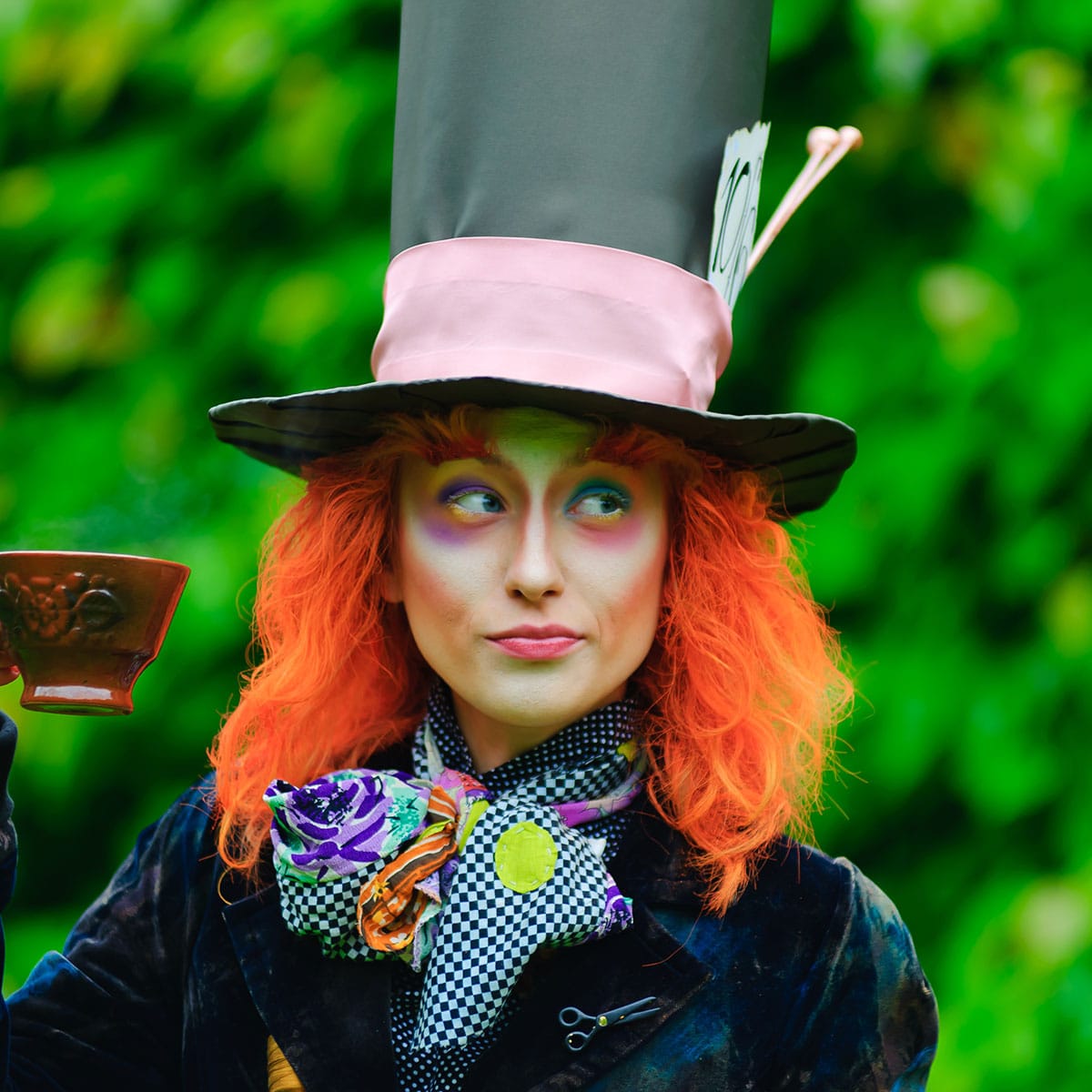
One such phrase is “Mad as a Hatter.” It originates from the 18th century. Hat makers used to use mercury in the forming of their hats as it bonded the felt into a tighter firmer mat. The mercury, however, was a poison that affected the nervous system of the hat makers and caused them to go mad.

In the book “Alice in Wonderland” by Lewis Carroll, the illustration of the Mad Hatter shows a 10/6 on his hat which is the price of his hat, 10 shillings 6 pence. For fun, some celebrate National Mad Hatter Day which is held on October 6.

Google Phrase Finder to find the story behind many more of our common sayings.