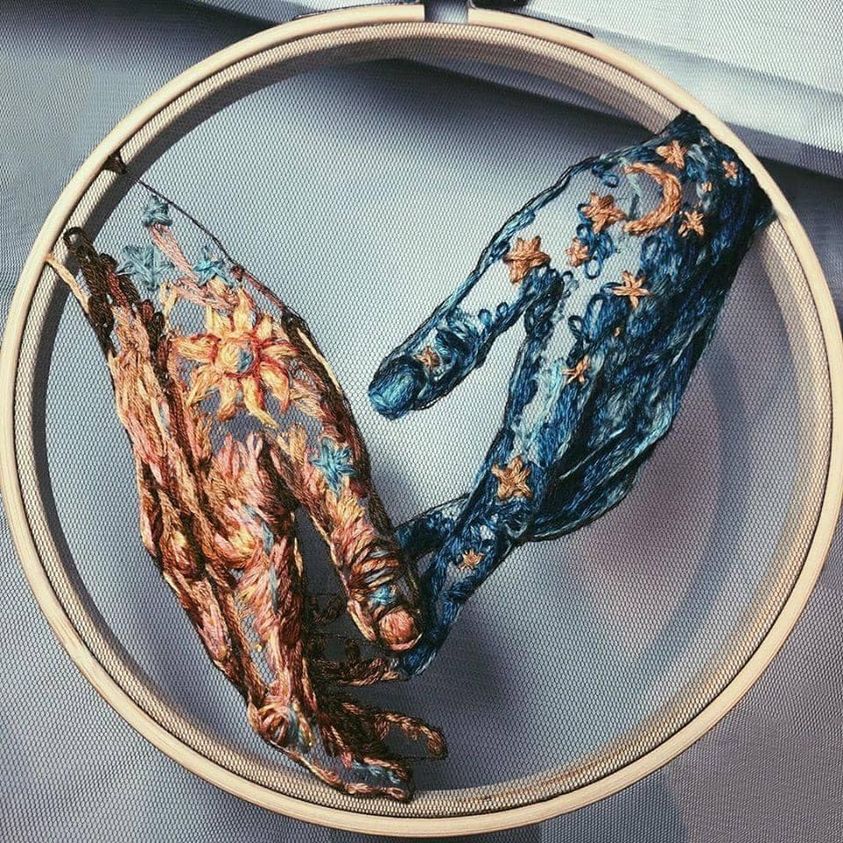
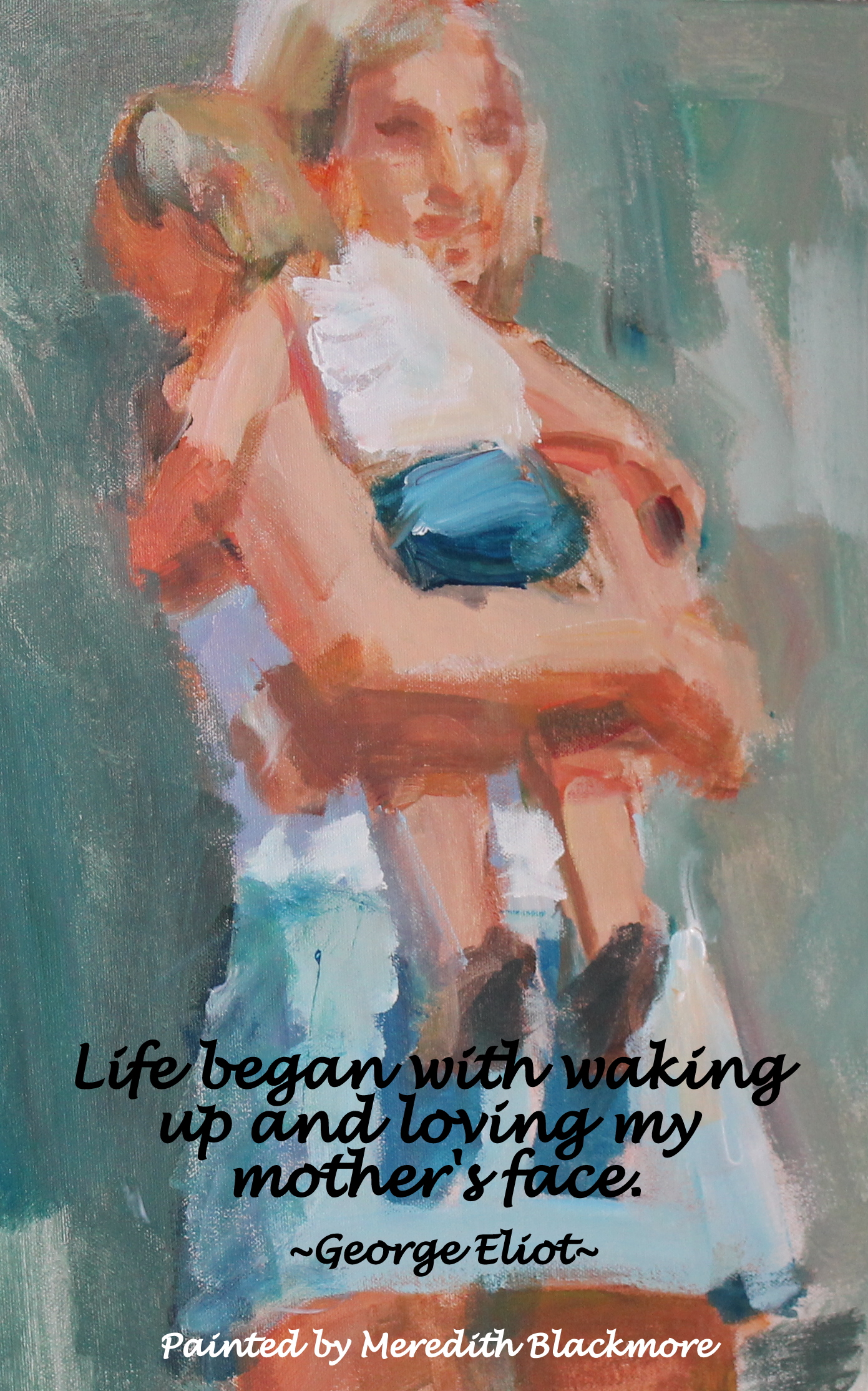
“Holding hands is a reminder that we are never alone in this journey called life.” ~Unknown
From my book “10 — A Story of Love, Life, and Loss”:
“(The nurse) dropped the bedside rail, took my hand and put it in Tom’s hand. I was surprised because I had hesitated to touch him as earlier when he was conscious, he didn’t want to be touched . . .
Time kept passing and he was gasping, struggling to stay with us. My hand was beginning to go numb in his but I didn’t dare let go. He needed me . . . “.
” . . I said aloud, quietly and calmly, ‘Relax.’ I said it as much for myself as for him. ‘You will decide when you go and I will stay here with you, holding your hand. I’m not going anywhere. When you know it’s time to turn and face your new journey, my hand will be the last thing you feel as you leave. As you turn, you will go directly into God’s hand. You will not go alone.'”
Reach out to someone today. Give them a hand. And if you find yourself alone, I believe that we are never alone. Watch for the hand, even if it comes from another world.
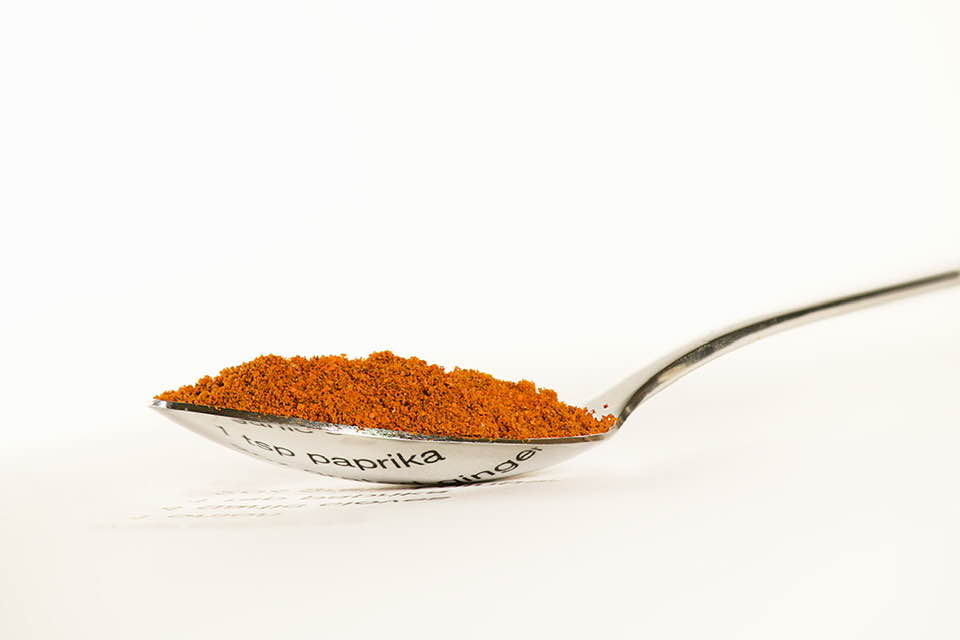
The Internet is a wonderful place for synchronistic connections. I was working on my next chapter “Pass It On” which focuses on recipes passed down from my Hungarian Grandma Haydu. Many of them include Hungarian Paprika with its unique taste. It is different from other paprikas and Hungarians can tell the difference. Well, lo and behold, I came across this beautiful photograph on another Facebook site I belong to and thought “How perfect!”
The photographer Phillip Dove lives in Saltburn-by-the-Sea, United Kingdom, and graciously allowed me to use his photograph in my upcoming book “For the Love of Food: Family Edition.” All he asked for in return was a copy of my grandma’s Hungarian Goulash which I gladly sent to him. Thank you, Phillip. Check out his website at phillipdovephotography.com
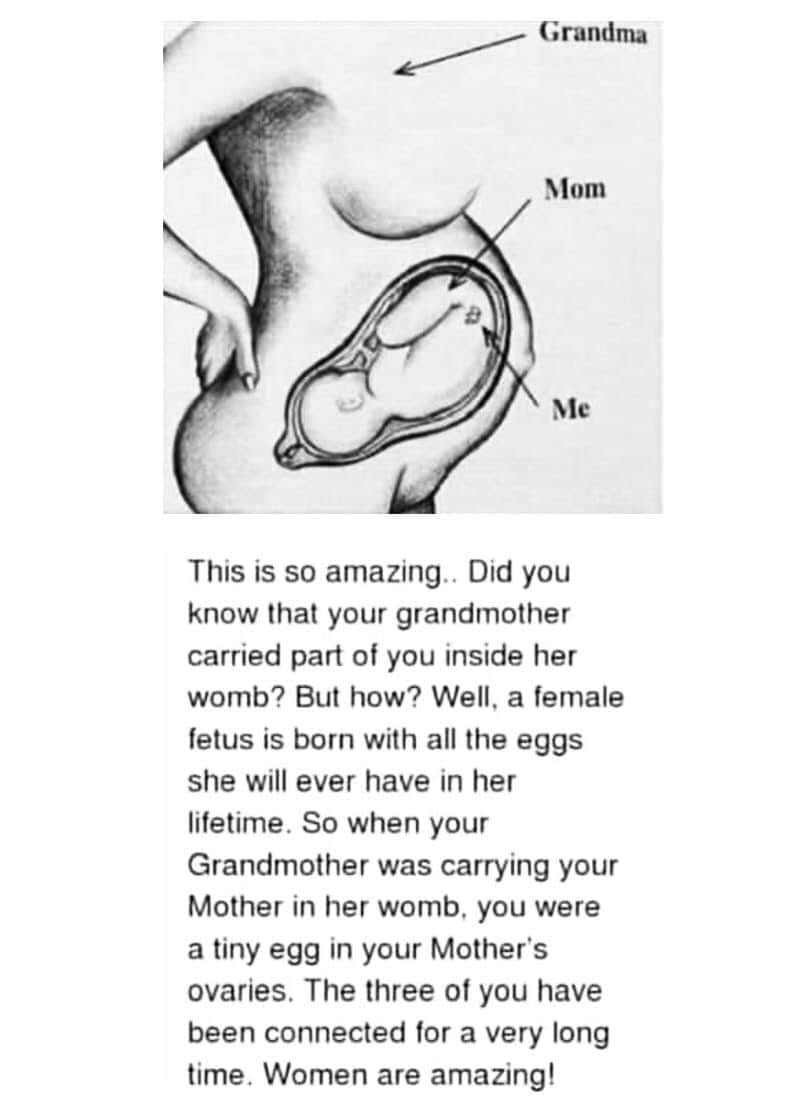
I am now working on my next chapter of my upcoming book “For the Love of Food: Family Edition.” The chapter is called “Pass It On” and I write about our connections to our descendants.
“Look back. Our descendants made us who we are today. We fit together like nesting dolls going back and back in circles of time. Because of my mother, I exist. Because of her mother, she exists.
Our bodies are living continuations of our parents, our grandparents, and all those that came before them, generation upon generation. Our ancestors are literally a living part of us. We carry their diets, their lifestyles, their hopes, their traumas, within our very cells. My hands become our hands. My spirit becomes their spirit.
When I smell the spicy scent of paprika, I am sent down the paths of the past to Hungarian kitchens, to cuisine birthed in European soils. When a cloud of flour rises off grandma’s wooden noodle board, I envision golden stalks of wheat and oats flowing across miles and miles of Canadian prairie fields waving in the distance. The soft touch of a feathery dill that tickles my nose when I bend to take in its powerful scent, sends me back through the past to steaming kitchens as cooks fill crocks and bottles with nature’s bounty. When I shake the dirt off a carrot yanked fresh out of the garden, I am doing what my ancestors did as they worked their fields with sun on their backs, mud on their feet and fullness in their hearts.” ~Barbara Heagy from “For the Love of Food: Family Edition”
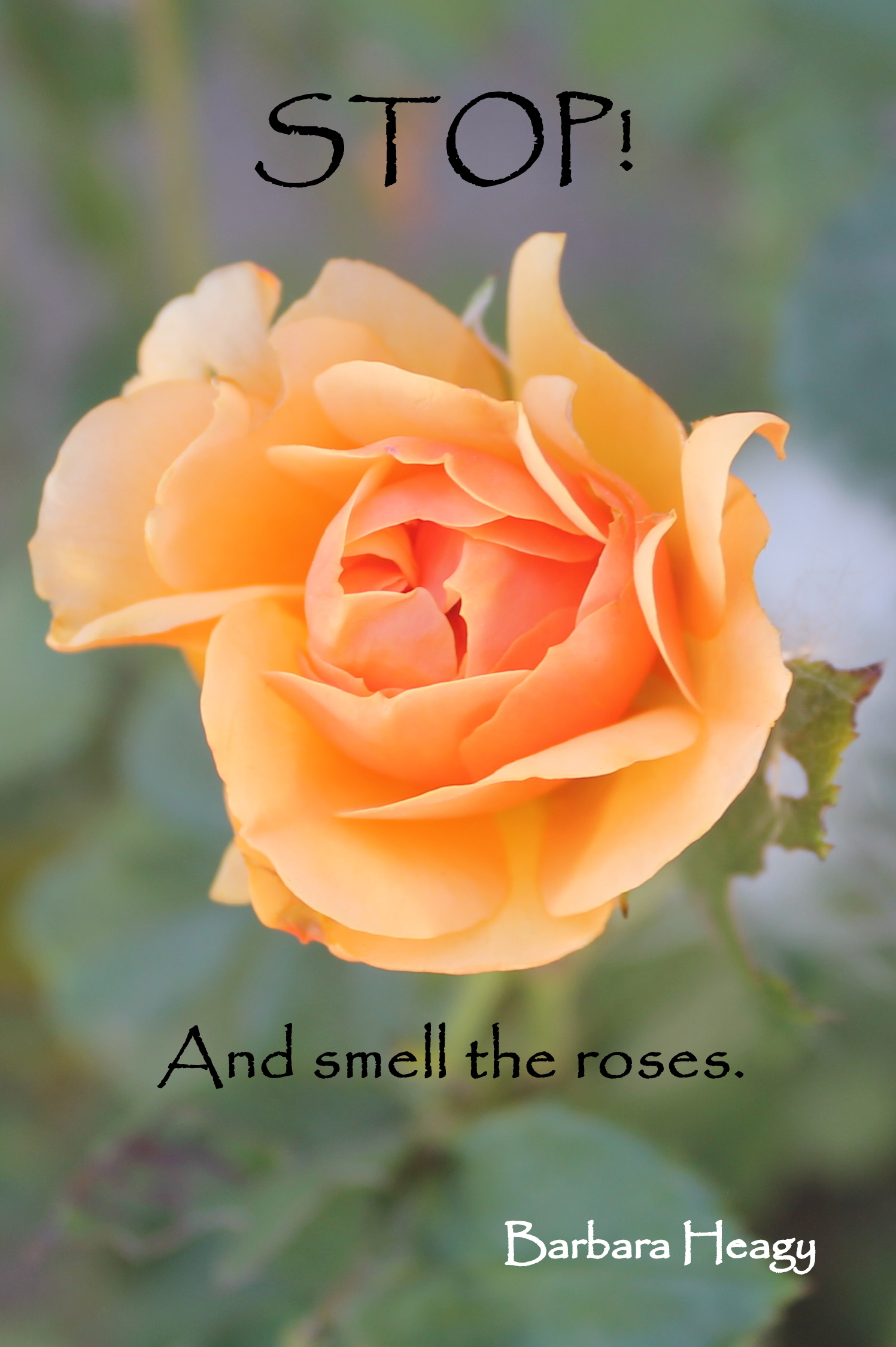
Stop and smell the roses. An old cliche, but it still holds true. Too many of us get caught up in this busy world and lose focus of what is really important to us. I read a wonderful Facebook post by Canadian singer/songwriter Jann Arden this morning that made me look at my own rushed and busy life. Thank you, Jann, for reminding us to slow down. I, too, used to pride myself on hitting the floor running each morning. Now I stretch a little, think a little, say a little prayer, and slowly ease myself into a day. There are still days when I have to set that alarm and get going but, with retirement, those days are few.
I still get caught up with my daily to-do list but I am more reasonable to myself and prioritize activities throughout the day. I still need to chop away at those obligatory “I shoulds.” I get trapped in false measures of success and don’t always fill my cup with my own desires and wants first. I still need to learn to say “No” more often. I still need to re-structure my day so that I feel I have spent it doing worthwhile activities that have meaning to me.
Balance is a hard one for me; peace, joy, love, and a personal sense of accomplishment. That’s what I seek in my life. At the end of each day, I should ask myself, “Did I find moments of peace today? Did I find a burst of joy today? Did I share love today? Did I accomplish at least one of my goals today? I do pray at the end of each day for the world, for my loved ones, for others but I rarely say a prayer for myself. Let me learn to do that better. To know and love myself better.
Do you have a favourite comic strip? A hilarious comedy movie? A sure-to-make-me-laugh book to read?
I love the comic strip “Pickles” with its characters Earl and Opal. It always puts a smile on my face. My friend Harold and I share them. Mrs. Doubtfire, with the incredibly talented and funny Robin Williams, always makes me laugh and Stuart McLean and the Vinyl Cafe stories have me slapping my knees and laughing out loud. The first one I ever heard was on CBC radio and was called “Toilet Training the Cat.” I had tuned it on my car radio and ended up sitting in my car in the parking lot for another 5 minutes to catch the ending because I was laughing so hard I just had to finish it.
Another surefire way to get you laughing is to catch some Internet videos of giggling babies. That’s one of my quickest ways to get an instant smirk. Laughter is contagious. I hope you find some today. What are some of your surefire ways to get a good laugh?
Carol of the Bells – A Christmas Story – Barbara Heagy
Mr. Lethbridge is coming to our classroom today to begin our rehearsals for our Christmas song.
Every year just before the holiday season, the local radio station in the town of Galt highlights elementary school children singing Yuletide carols for the community as a special celebration. We all look forward to learning a more challenging song than what is offered in our regular musical program for Mr. Lethbridge is a trained music teacher that travels from classroom to classroom throughout the city to create a program for the public that he thinks we all will enjoy.
This year is special. Mr. Lethbridge is excited to find that some of the boys in my grade 8 class have hit puberty and their voices have changed. For the first time, he will be able to teach a song in 4-part harmony. He chose “Carol of the Bells.”
Day after day, we learn and rehearse our song. First the sopranos begin with joyful tune. I am an alto and wait for my cue to join them with blended notes. It’s exciting to hear the voices unite in layered harmony.
“Hark! How the bells, Sweet silver bells, All seem to say Throw cares away . . . Christmas is here Bringing good cheer To young and old, Meek and the bold, Ding, dong, ding, dong, That is their song, With joyful ring, All caroling.”
As the music builds, the boys join in tenor and bass notes with chiming bell sounds:
Soon, we are a four-part human carillon, chords and melodies ringing out our Christmas cheer. The music builds and builds to a crescendo of pealing chords as soprano, alto, tenor, and bass, join together in a cascade of musical notes claiming the joy of the season.
Then, just as quickly as the music rises to an elegant peak, the melody echoes back down in a soft retreat of resonance, lingering bell sounds slowly fade and die.
“Ding . . . dong . . . ding . . . dong . . . “
The room is hushed. You can’t wipe the smiles off our faces. What joy!
Thank you, Mr. Lethbridge, for your years of service, offering your skills and love of music. I will never forget you.
I was at a family Christmas event yesterday and I was telling my nephew about my busy life and how I feel overwhelmed at times. He said, “Aunt Barb, you are retired and have nothing but time to do exactly what you want and use your time for the things you really want to do. You are making choices to keep busy and overwhelmed. You don’t have to do that.”
He’s right. I need to zone in to my inner heart and prioritize my needs and wants. I need to “listen to the whispers of my soul.” Especially in this holiday season of shopping, baking, partying, and feasting.
Enjoy the holiday season but give your energy to those things that are truly important to you and not just expected by others. Give because it fulfills you to give, not because you feel obligated. And remember, there are many ways to give. Time is a gift. A Christmas card is a gift. A plate of cookies is a gift.
Merry Christmas, Happy Hanukkah, Happy Holidays to all.
This past week I was surprised by an email from a former student of mine who I had taught in Senior Kindergarten and Grade 1, 14 years ago. She is now in her 2nd year of university and was in the same city as me and she wondered if we could meet. We had a fun-filled and lively lunch and a thrift store visit for several hours and talked non-stop. We both were so excited and happy to see each other. It was wonderful to hear the influence I had on her as a teacher, even at such a young age. She has grown into a very outgoing, confident young woman. One never knows the direction children may grow as they mature into adults. We plan on seeing each other again.
On Children by Kahlil Gibran
And a woman who held a babe against her bosom said, Speak to us of Children.
And he said:
Your children are not your children.
They are the sons and daughters of Life’s longing for itself.
They come through you but not from you,
And though they are with you yet they belong not to you.
You may give them your love but not your thoughts,
For they have their own thoughts.
You may house their bodies but not their souls,
For their souls dwell in the house of tomorrow, which you cannot visit, not even in your dreams.
You may strive to be like them, but seek not to make them like you.
For life goes not backward nor tarries with yesterday.
You are the bows from which your children as living arrows are sent forth.
The archer sees the mark upon the path of the infinite, and He bends you with His might that His arrows may go swift and far.
Let your bending in the archer’s hand be for gladness;
For even as He loves the arrow that flies, so He loves also the bow that is stable.
From The Prophet (Knopf, 1923). This poem is in the public domain.
What a summer it has been. COVID restrictions were lifted and the world went a little crazy. We all jumped into our new found freedom like lambs let loose into a spring pasture. Everything that had been cancelled for up to three years during the pandemic was suddenly happening and I didn’t want to miss a thing.
It was a whirlwind of travel, concerts, visits, day trips, and events. At times it felt a little busy with the constant packing and unpacking, driving, and crowds but I kept going as I knew it would be short-lived. Summers are short in our part of the country. Fall comes way too soon. It wasn’t just me. It seemed my friends and family all had that condition known as FOMO (Fear of Missing Out) and plans were made for constant activity throughout the summer.
I have hardly been home since June. The month started with the Orangeville Jazz & Blues Festival, the Writers’ Festival at Wellington County Museum, an Ed Sheeran concert in Toronto, and my Photo Club Picnic at a local park. It ended with a week-long trip to a beautiful resort in Vermont with some of my family.
My Writers’ Club continued to meet every Thursday and we had a barbecue at one of our homes early July. My family went camping at Killbear Provincial Park and we joined them for a couple of days and took in the 30,000 Island Boat Tour. My friend and I attended the Weiner Dog Races at Grand River Raceway in Elora. Such fun and so many laughs! We went to the Orangeville Rib Festival and I spent 5 days camping and volunteering at the Hillside Music Festival with my family. I also drove a total of five hours so I could attend my granddaughter’s first birthday party.
In August, I had a ½ day turnaround to get ready for 9 days of house-sitting at my brother’s lakeside home up in Bancroft (it was SO relaxing), followed by a few days to cut my lawn, pull some weeds, attend a meteor shower party with friends and then head out to Cape Croker for 5 days of camping and a traditional powwow. I visited friends who live in Lion’s Head, went Nia dancing on a local beach, and visited a local gallery The Art Shoppe as well as a local artist’s studio. I managed to have some time with another friend and we went to a sunflower farm in Ariss, the Kitchener Blues Festival, the movie Barbie, and the Guelph Ribfest.
It’s now Labour Day weekend, the traditional end of summer and I finish the summer off with my grandkids and friend at the Orangeville Fall Fair. Whew! It makes me tired just writing about it all. My grandson hopes we will get some fishing in too.
I really thought things would start to slow down in September. In fact, I was looking forward to it. My poor garden is alive thanks to all the rain we had this summer but it sure wouldn’t win any prizes and I haven’t written anything new for my upcoming book in the last three months. It’s wonderful that my summer has been so full of fun activities but after the isolation and quiet of the past three years, the constant activity has felt a little overwhelming at times.
September is already starting to fill up. I have four lunches and a dinner planned with family and friends, two theatre events, a short overnight get-away, and a three-day stay with family to help out with my new granddaughter. There’s a photo club field trip and lunch on the books and a local festival with family. Things do not seem to be slowing down.
I sound like I’m complaining. I’m not. I’m very grateful for my family, my friends, my health, and the opportunities to do so much. Life is full. I just wish the cup would empty once in a while before it gets topped-up so quickly. Perhaps I can start sipping at it instead of chugging it down. It’s all a matter of choices and control, isn’t it? It wouldn’t hurt to miss out on a few things and start prioritizing my daily activities and find some restful time to slow down and contemplate life once again. I relish that. Maybe it’ll happen in October.
I have just returned from the most restful, relaxing vacation I have ever had in my entire life. We had nine lovely days at my brother Peter’s and his wife Sharon’s lakeside home in Bancroft while they vacationed in Italy. Thank you, Peter and Sharon. Here’s a story I wrote in remembrance of our quiet days of peace and rejuvenation.
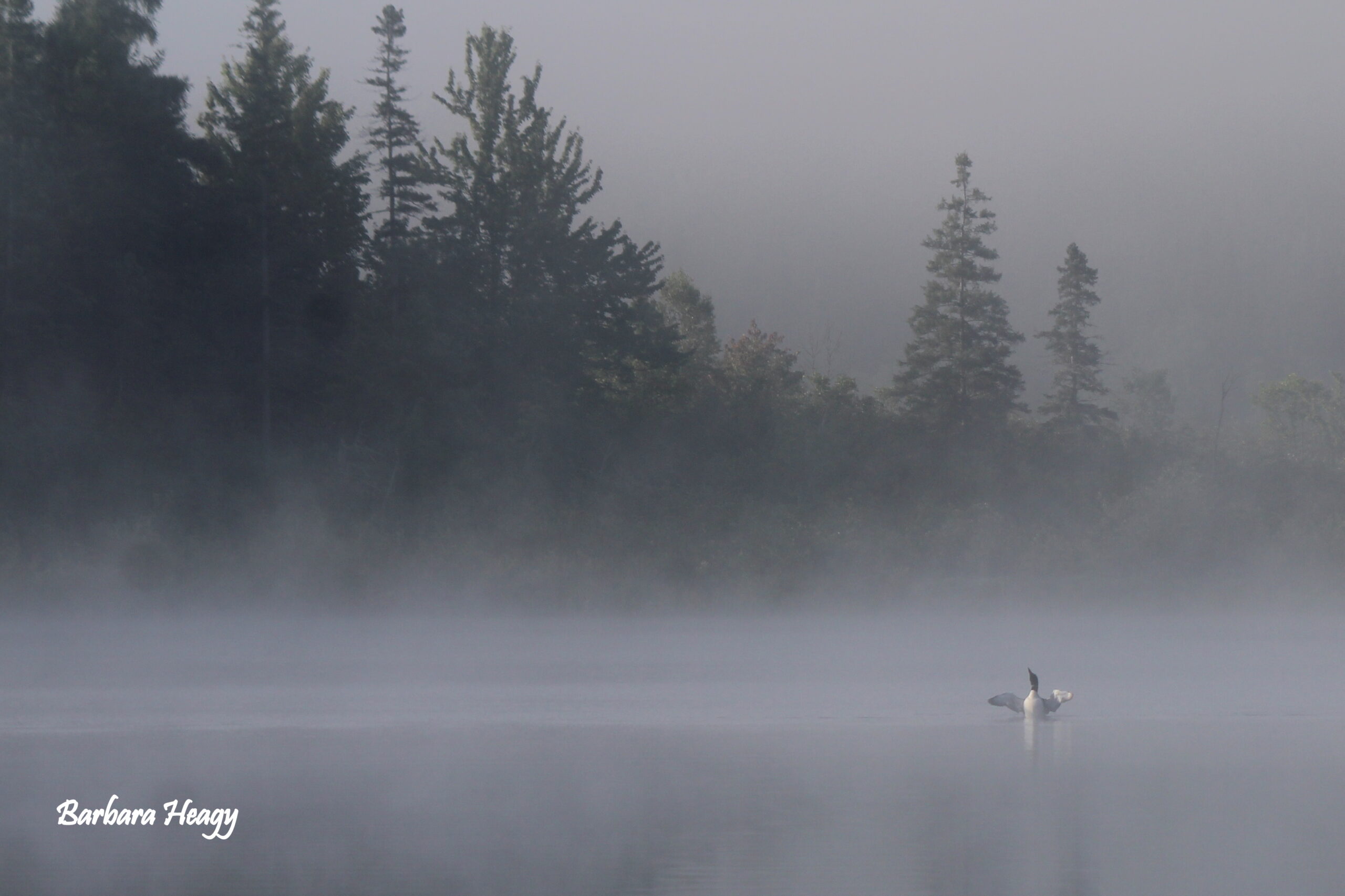
They wake me. Their calls are wavering across the lake. I open my eyes and raise the window blind. I see them. They have arrived once again with daybreak. Normally, their eerie calls are short-lived, wild wails, mournful modulations, but this morning they have something more to say. Their talk continues and I get up and go out to see what all the commotion is about.
Five adult loons splash about on the water, dive and recover, hoot to each other, and flash their wings with a tail rattle that sprays droplets into the morning mist. One of them begins to run across the surface, churning up circles of water, wings flapping, as it prepares for takeoff with a running start. Then up, up into the sky, it circles the lake and lands once again with a smooth coasting splash to join the others.
Again, the cacophony continues. Laughing, chortling, a breaking yodel of bird voices, they are a playful party, a mad choir in 5-part harmony. What are they about this morning? We have seen these five this week but never like this. Their song and play goes on for almost a half-hour. Such beauty to the eyes and ears as they romp about in the rising mist. Then, it seems the gathering is over. One by one they retreat to further shores and the lake is quiet once again.
But nature is not done celebrating. The flowers are full of morning dew, reaching, straining to catch the warming sun as it rises in the sky. Orange, red, yellow, pink petals call to the hummingbirds, “Breakfast time.” And they come from their tree-top nests hungry and ready for a new day. There are at least six of them. Although it is difficult to tell. They flash about, whirling and twirling doing aerial acrobatics that amaze and dumbfound as they juggle for space at the three feeders that my brother has erected for them. Extremely territorial, they claim their space boldly and unendingly. It is a dance as they gyrate, and do-si-do, spinning like little helicopters, zipping and zinging as they chase each other back and forth. They are blazing whirligigs, shimmering jewels with iridescent green feathers and ruby throats. Tirelessly they fly about all day long, entertaining and amusing us with their wondrous circus act.
I walk down to the dock, coffee in hand, and just sit. And watch. A small little head pops up just off-shore and I know that the local turtle is checking me out before it dives back down into the cool, deeper waters. This morning there are three of them, one much bigger than the others. The small ones are painted with hints of orange and yellow on the edges of their smooth green backs. The larger one might be a snapping turtle but he seems to mean me no harm. After all, this is his home and I am just a visitor. A quiet one at that.
My fishing pole is sitting on the dock, daring me to make a cast, see if you can catch a fish it says. Harold did. The first day, his third cast, he latched onto a rather large pike. He called out to me, “Bring the camera” and I ran down to the shore, barefoot and eager to see what he had on his line. “Wait, wait until I’m ready. Okay, bring it up.” Snap went the line, swinging like a wet noodle in the empty air. But “Look. He’s right there in the water.” We peeked over the edge of the dock to see a good two foot pike just sitting there in the shallow water, stunned perhaps, a lure still stuck in his mouth, unmoving. For a moment, I looked away, then back, and he was gone. That fish gave us hope. Where there’s one, there will be another. But although we fished every day at different times of the day, we never got another bite. I try again this morning, but to no avail. It’s fun and a challenge just to try; balance a rod in your hand, release the reel, swing your arm and line back, snap it forward and watch your lure soar over the surface and land with a plop in the water with a perfect aim, right where you wanted it to be. Turn the reel handle, the bail clicks, and the line returns smoothly, slowly back to you, cruising the underwater depths as you hope for that sudden yank and taut line that signals a fish has taken your bait. But not this morning and that’s okay.
I turn from the lake and head back up over the dock. A morning glimmer catches my eye. At the edge of the dock where the platform joins the walkway, I see a beautiful web, full of dew and glistening in the sun. I take a picture with my camera, mesmerized by its perfect symmetry and intricate patterns. I turn and then I see another. And another. And another. The shallows are full of shining spider webs, caught between grasses and weeds, woven wonders that thrill and delight. This one looks like a giant suspension bridge strung between thin reeds. That one looks like the glowing sail of a ship. There’s one that looks like a slingshot full of sticky strings ready to nab its prey. One of them connects grassy stalk after stalk with flowing, drooping, connecting lines, moving like interlocking tightropes that flow on and on above the water. Such beauty.
I chase the dragonflies hoping for a photo. They have their own agenda, gliding, bouncing off the surface of the lake, avoiding the sudden slurp as a fish rises hopeful for breakfast. Sometimes they land on the dock or the shoreline grasses. They allow me a quick glimpse into their transparent beauty, wings like clear stained glass windows, bodies of vibrant colours, red, green, turquoise.
I return to the patio and take a seat. I am learning to just sit and wait and watch. Nature will provide some quiet spectacle. This morning, it’s a little more than that. A flock of noisy grackles arrives in a burst of squawking birds, sharp calls, and flapping wings. There’s about thirty of them. They fly about from grass to trees, chasing each other, in zig-zag lines of chaos and clamour. They upset the other birds. The flickers in the tall spruce jump from branch to branch, piercing the air with their high-pitched squeal. This is their territory and they seem fearful of these invaders. The blue jay, guardian of the forest, calls out warnings in its ear-splitting scream. The grackles continue to chatter and chase, owning the space. I stand and move toward the lawn and they retreat to the next door neighbour’s grassy areas. The other birds slowly settle down.
I walk to the base of the flickers’ tree and there on the ground is a small gift, a bright yellow, brown and white feather, a wing feather perhaps, knocked loose in the fearful kerfuffle. A few more steps and I find another prize, a blue jay feather, indigo and black, tipped with a shot of white. I say a little prayer of gratitude for this morning performance where I was granted a free, front row seat.
I breathe and count my blessings, thankful for these moments of rest and relaxation full of nature’s quiet drama and wonders. I close my eyes and lean back. Time for another coffee. Perhaps in a few minutes.